Dr Dannielle Slager (Podiatrist) – Aug 31, 2026
If you have an ingrown toenail, it’s natural to worry about what might come next.
If you’re thinking about surgery but are putting it off because you’re worried about the pain, then keep reading…
Our podiatrists have performed hundreds of ingrown toenail procedures and can confidently say that almost everyone reports that it was far less painful than they expected.
This blog will explain what’s involved, which hopefully helps to put you at ease.

Quick Answer: What Actually Hurts (and What Doesn’t)
What you will feel:
- A quick pinch or sting from the local anaesthetic needle, like a blood test or vaccination.
- A build-up of pressure in the toe due to the fluid of the local anaesthetic injection, which is painful for about 10 seconds.
- NO pain during the procedure. We check to ensure that the local anaesthetic has been successful and will not proceed unless your toe is completely numb.
- A dull ache for the first 24-48 hours afterwards, which can be reduced with paracetamol.
Why Ingrown Toenails Hurt So Much in the First Place
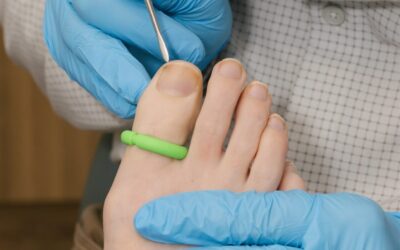
An ingrown toenail occurs when the edge of the toenail grows into the surrounding skin, creating pressure, swelling, and pain. If the nail pierces the skin, then an infection can occur which can make things worse. Antibiotics might help to reduce the severity of the infection and pain but ultimately don’t fix the cause of the problem. The ingrowing nail section may need to be removed with a procedure called a partial nail avulsion.
What Happens During the Procedure
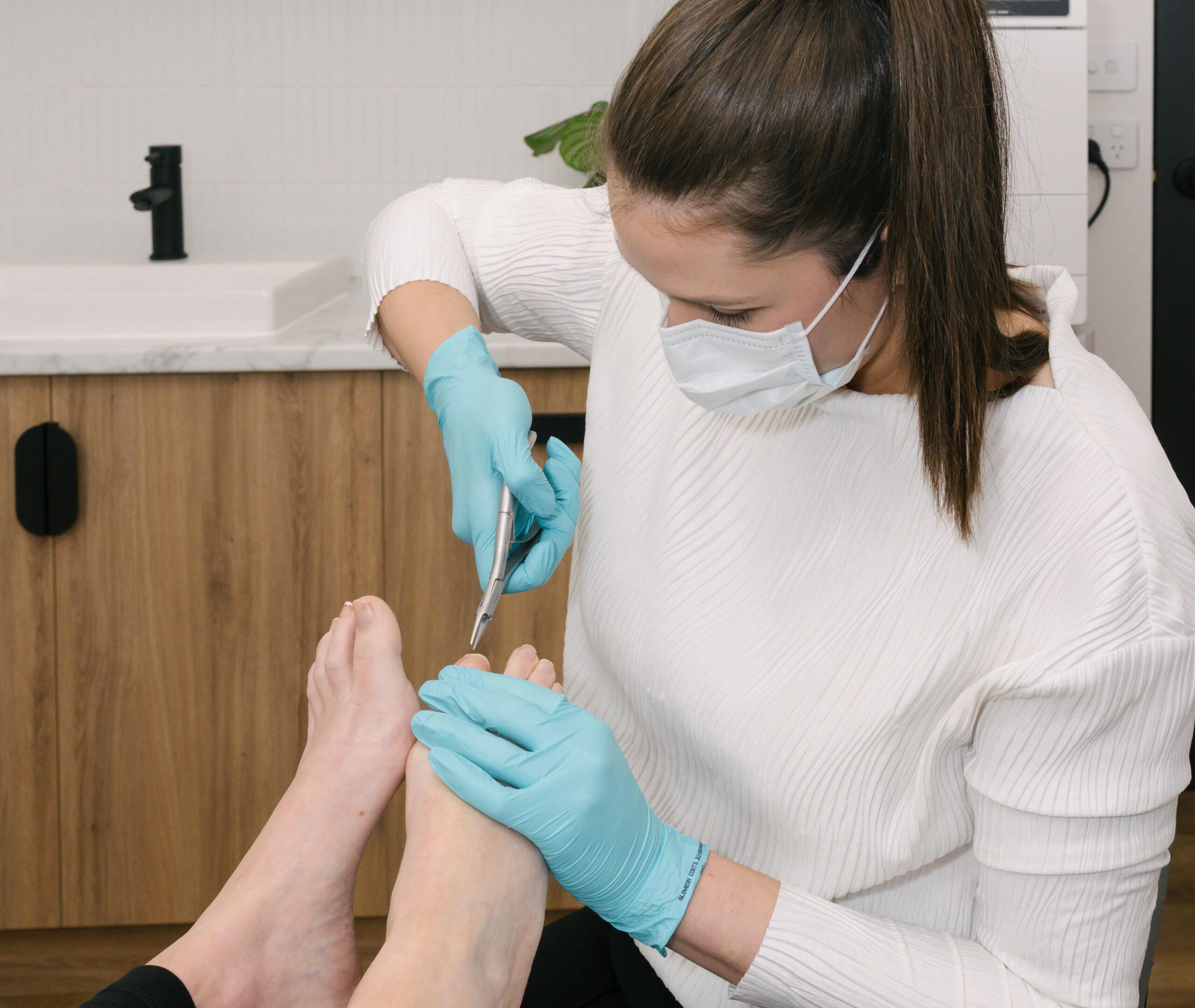
Your podiatrist will perform a local anaesthetic injection to ensure that your toe goes numb, and you don’t feel any pain during the procedure. This is the only step of the procedure that is painful, and lasts for about 10 seconds.
You can be assured that the injection is performed further back into the fleshy part of the toe (towards the foot), NOT directly into the painful ingrown toenail area. This technique is called a “digital block”.
Nobody likes this step, and everybody’s pain threshold is different. We also understand that some people may have a needle-phobia. If this is you, our podiatrists are great at making you feel comfortable and helping you through the process.
Before the injection you are laid back in a chair and encouraged to distract yourself however you need to, e.g. headphones, talking to someone, squeezing a stress ball, and swearing! Your podiatrist will then talk you through the process, as we always find this helps so that you know what is happening.
Once the injection is complete (10 seconds per toe), then the rest of the process is very easy for you, and you can relax in the treatment chair for the rest of the procedure (about 30 minutes total).
The anaesthetic lasts for a further one or two hours, after which time you may feel a throbbing sensation similar to stubbing your toe. In saying that, we often hear from our patients that when the anaesthetic wears off their pain is actually improved compared to what it was before the procedure, simply because the pressure of the ingrowing nail has been removed.
Post Surgical Pain Management
After the procedure, over the counter paracetamol is all that might be required for pain relief, and usually only for 24-28 hours.
You will have a thick protective bandage on your toe, which means that you can’t wear enclosed shoes or get the area wet for about three days.
It takes about three to four weeks to fully heal, and your podiatrist will see you for 3-4 review appointments during this time to help monitor and assist the healing process.
When To Stop Self-Managing and Book In
It’s worth booking an appointment rather than continuing to self-manage if:
• The toe is red, swollen, or weeping fluid or pus.
• The pain is getting worse rather than better.
• It’s a recurring problem that keeps coming back in the same spot.
• You have diabetes, poor circulation, or a compromised immune system, where any foot infection needs prompt attention.
• The pain is affecting your work, sport, and daily life.
We understand the hesitation. Nobody loves the idea of a needle near their toe, and “surgery” sounds a lot more serious than it is. But we perform this procedure almost every day, and the pattern is consistent: the anticipation is almost always worse than the reality.